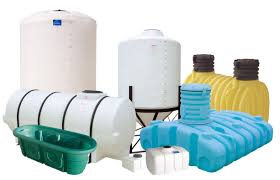
Rotational Molding Techniques Every Engineer Should Know
Rotational molding, commonly referred to as Rotational Molding, is a versatile and efficient method for producing hollow plastic parts. Unlike other molding processes, it relies on heat and biaxial rotation rather than pressure, making it ideal for manufacturing durable, seamless, and complex shapes. For engineers involved in product development or manufacturing, understanding key rotomolding techniques is essential for maximizing design potential and process efficiency.
Biaxial Rotation and Even Material Distribution
The core technique of rotomolding involves biaxial rotation—simultaneously rotating the mold on two axes while it is heated. This allows the plastic powder to evenly coat the interior surfaces of the mold, forming a uniform wall thickness without seams or joints. Engineers should consider this rotational method when designing parts that require structural consistency and aesthetic appeal.
Mold Design and Venting
Effective mold design is crucial for successful rotomolding. Engineers must account for proper draft angles, wall thickness variations, and parting lines to ensure smooth demolding. Venting is equally important—strategically placed vents allow air to escape during heating and cooling phases, preventing warping and surface imperfections. A well-vented mold leads to better quality and fewer production defects.
Material Selection and Pre-Blending
Choosing the right polymer is vital for achieving desired mechanical, thermal, and chemical properties. Common materials include polyethylene, polypropylene, and nylon, though newer blends and additives are expanding possibilities. Pre-blending colorants, UV stabilizers, and performance enhancers ensures consistent results and reduces post-processing requirements.
Multi-Layer and Foam-Core Molding
Engineers aiming for advanced functionality can utilize multi-layer molding techniques. This allows for different materials or colors to be layered within a single part, achieving thermal insulation, improved rigidity, or barrier properties. Foam-core molding involves injecting foam between layers, offering lightweight construction with high strength—useful in automotive, marine, and building industries.
Mold Cooling and Cycle Optimization
Efficient cooling is essential to reduce cycle times and maintain product quality. Engineers must plan for controlled, uniform cooling to avoid internal stresses and shrinkage. Innovations in cooling methods—like air-assisted or water-mist cooling—can enhance throughput without compromising integrity.
In-Mold Inserts and Functional Features
Rotomolding supports the inclusion of metal inserts, threads, and mounting points directly into the mold before processing. This eliminates the need for secondary operations and ensures better part integration. Engineers should design these features carefully to align with mold rotation and heat cycles.
In conclusion, mastering these rotational molding techniques allows engineers to fully leverage the benefits of this process. From design to production, a deep understanding of rotomolding can lead to superior products, cost savings, and greater manufacturing flexibility.
You May Also Like

Frosty Enhancements: Ice Pharmaceuticals Redefining Health care

Enjoy Daily life with Happy Socks: In which Color Meets Comfort