Advanced Yard Logistics for Maximum Productivity
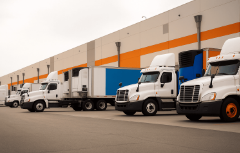
Yard logistics serves as the backbone of efficient supply chain operations, yet it often doesn’t garner the attention it deserves. However, with the complexity of supply chains continuing to grow, advanced Yard logistic has emerged as a critical focus area for companies aiming to enhance productivity and streamline operations.
Modern advancements in yard logistics rely on technology and automation to eliminate inefficiencies and bottlenecks, transforming yards into hubs of productivity.
The Role of Technology in Yard Logistics
Technology has significantly shifted how yards operate. Tools such as real-time location systems (RTLS) are enabling operators to track vehicle and trailer movements in real time. This reduces the time spent locating assets, which in turn minimizes delays and overall idle time.
Another area of innovation lies in automated gate systems. By leveraging automatic license plate recognition (ALPR) or RFID technology, these systems allow for faster check-ins and check-outs of trucks, reducing long queues and unnecessary wait times. This level of automation not only enhances productivity but improves overall driver satisfaction as well.
Making Data-Driven Decisions
The rise of data analytics is another game-changer for yard operations. Advanced yard management systems (YMS) now provide analytics capabilities that offer insights into inventory levels, trailer utilization, and yard capacity. For instance, predictive analytics can anticipate potential congestion and proactively suggest solutions, keeping operations running smoothly.
Additionally, dashboards and reporting tools allow operators to identify trends and inefficiencies. Metrics like average dwell time per trailer or labor productivity rates give managers clear visibility into areas that need improvement. This constant stream of actionable insights makes processes leaner and more cost-effective.
Sustainability Through Efficiency
Sustainability is more than a buzzword; it’s a necessity. Advanced yard logistics supports sustainability goals by decreasing fuel waste and carbon emissions. For example, optimized yard layouts and better scheduling reduce unnecessary truck movements. Likewise, electric yard trucks are gaining traction, providing an eco-friendly alternative to conventional diesel engines. By introducing such advancements, yards are moving toward greener operations without compromising efficiency.
A Competitive Edge in the Industry
Companies leveraging advanced yard logistics enjoy a significant competitive advantage. Streamlined yard operations boost customer satisfaction, reduce lead times, and enable just-in-time deliveries. This improvement in overall efficiency often leads to measurable cost savings, allowing companies to reinvest in other strategic areas.
Harnessing the potential of advanced yard logistics requires planning, investment, and adaptability. By integrating technology, focusing on data-driven outcomes, and committing to sustainability, businesses can maximize productivity in their yard operations and position themselves for long-term success.
You May Also Like

Forex Trading: The Key to Diversifying Your Investment Portfolio

The Art of Guest Post Style Writing: Dos and Don’ts
